Glaucoma Screenings Are Getting Too Expensive Without Premium Vision Insurance Coverage
Skipping an annual eye exam is easy to do when you worry about what the bill will look like at checkout. Many of us assume a standard eye checkup only measures how well we see the chart on the wall. The reality is that a thorough visit often includes specialized screenings to check for silent, progressive conditions like glaucoma. This specific test measures the fluid pressure inside your eyes to prevent permanent damage to your optic nerve. As technology advances, the equipment used for these screenings becomes more sophisticated, and the price of these services continues to rise. For families and property owners keeping a close eye on their household budgets, these sudden out-of-pocket medical bills quickly add up. Healthcare Solutions Team Brandon helps you find pathways to manage these rising health expenses before they strain your wallet. Securing the right vision insurance in Miami, FL, is a smart way to make sure you never have to choose between your financial stability and your sight.
According to the Centers for Disease Control and Prevention, millions of Americans are at risk for glaucoma, yet half of them do not even know they have it because early stages rarely show warning signs. Because of this, optometrists recommend regular diagnostic testing, especially for adults over the age of forty. Without any insurance, a comprehensive exam that includes digital retinal imaging and pressure testing can easily run several hundred dollars. If your doctor finds something that requires follow-up testing, those diagnostic fees repeat multiple times throughout the year. Many people assume their standard health insurance covers these preventive eye procedures, but they often discover too late that routine vision services are excluded from basic medical plans.
Why Specialized Screening Costs Are Rising Fast
Medical technology has changed rapidly over the last decade. Doctors now use advanced digital imaging to map the back of your eye and detect microscopic changes in the optic nerve long before you notice any vision loss. While these state-of-the-art machines provide incredible accuracy, they are expensive for clinics to purchase and maintain. Eye clinics pass these operational expenses down to the consumer in the form of higher diagnostic fees. If you pay entirely out of pocket, a single visit can disrupt your monthly budget.
Having the
best vision insurance helps absorb these rising technological fees so you can access modern care. These policies are designed to cover the specific diagnostic procedures that standard plans overlook. Instead of paying the full retail price for every scan and pressure test, you pay a small, predictable copay. This allows your optometrist to use the best equipment available to monitor your health without forcing you to worry about a surprise three-figure bill at the front desk.
Navigating Your Eye Care Benefit Options
When you begin searching for a way to lower your eye care bills, you will find a variety of plan styles. Some options operate as discount plans, which offer a flat percentage off services but still leave you responsible for the bulk of the bill. Other options provide true insurance benefits where the carrier pays the clinic directly for your care. Finding affordable vision insurance means looking for a plan that focuses heavily on preventive diagnostic services rather than glasses frame allowances.
Many people find success by choosing a plan that prioritizes diagnostic screening coverage. If you are managing an active eye health concern or have a family history of glaucoma, you need a policy that treats screenings as essential care. A dedicated eye care insurance policy reduces the friction of getting tested. It allows you to schedule your annual appointments with the confidence that your preventative testing is fully covered, leaving you with nothing more than a standard office copay.
The Difference Between Basic Plans and Premium Coverage
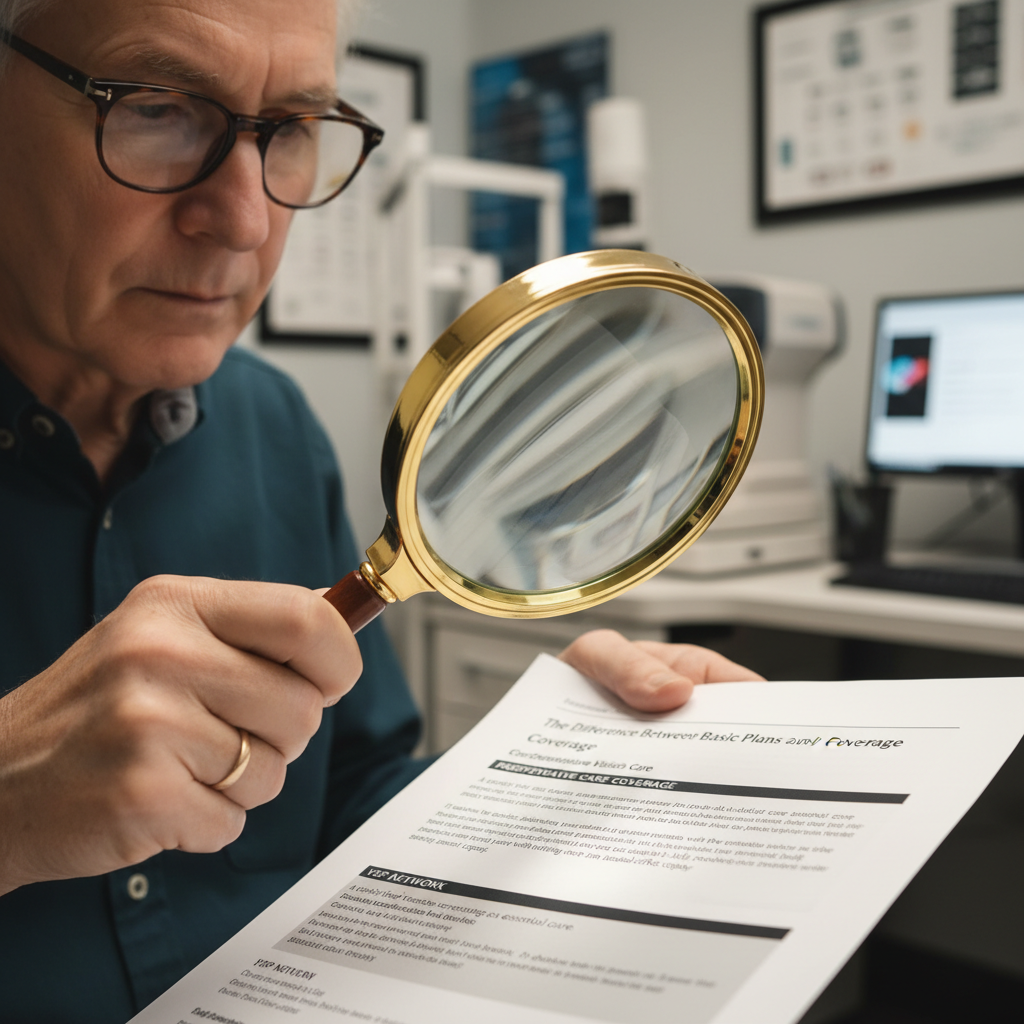
Standard vision benefits often cover a basic refraction test to update your contact lens or glasses prescription. However, they frequently categorize glaucoma screenings, visual field tests, and retinal photographs as optional extras. If your doctor suspects an issue and orders these additional tests, a basic plan might leave you holding the entire bill. Investing in comprehensive vision care coverage makes a noticeable difference in what you actually pay at the clinic.
A robust policy is designed to handle both the simple eye chart tests and the complex medical screenings. When you have a plan that acknowledges the medical side of optometry, your diagnostics are covered under your preventative benefits. This distinction is critical because glaucoma cannot be reversed once it causes vision loss. Early detection is the only way to save your sight, making premium diagnostics a necessity rather than a luxury.
Choosing the Right Network for Your Care
The structure of your insurance network determines which doctors you can see and how much you will pay for your visits. If you prefer to have the freedom to choose any specialist in your area without needing a referral, a PPO insurance plan is often the most flexible choice. These networks allow you to visit top-rated ophthalmologists and opticians while still enjoying discounted contract rates.
Using an established network also means the billing process is much simpler for the patient. Network doctors agree to set rates for complex screenings, which prevents them from balance-billing you for the remaining cost of an expensive scan. This network agreement shields you from unexpected charges and keeps your annual eye care costs completely predictable.
The Value of Established Vision Networks
Among the various networks available today, some stand out for their exceptional reach and deep discounts on advanced clinical care. Opting for a plan backed by VSP vision care gives you access to a massive network of independent eye doctors who specialize in early disease detection. These providers are specifically trained to look for early markers of glaucoma and other systemic health issues during your routine exam.
When you utilize these established networks, your benefits go much further than they would with a generic discount program. The participating doctors use standardized billing codes for preventative screenings, which helps avoid coverage denials. This level of reliability is why so many families prefer to stick with recognized, national networks for their ongoing eye care needs.
Finding Long-Term Value in Private Coverage
Purchasing an individual vision plan is a highly cost-effective decision when you calculate the annual cost of eye care. A typical monthly premium for a high-quality vision plan is often less than the cost of a single restaurant meal. When you compare that small monthly fee to the hundreds of dollars you would spend out of pocket for a single diagnostic screening session, the financial advantage is clear.
For those who do not have access to group benefits through an employer, independent VSP vision insurance plans offer an excellent alternative. These plans provide the exact same high-level diagnostic coverage that large corporations offer their staff. This means you do not have to compromise on the quality of your eye care simply because you work for yourself or are retired.
Protecting Your Health and Finances Together
Protecting your eyes is ultimately about protecting your overall quality of life. Because glaucoma is known as a silent disease, it does not give you warning signs like pain or sudden blurry vision in its early stages. By the time you notice a change in your sight, permanent damage has already occurred. Regular screenings are the only defensive tool you have, and having a reliable vision care insurance policy removes the financial barrier to getting those screenings done on time.
Taking control of your healthcare expenses does not have to be a complicated process. When you have the right support, you can easily find a plan that fits your lifestyle and keeps your out-of-pocket costs low. By securing a dedicated vision policy, you can visit your eye doctor regularly, knowing that your physical health and your personal finances are both well taken care of.
Common Signs of Potential Eye Health Issues
While early glaucoma often has no symptoms, there are several signs of changing eye health that require an immediate professional evaluation. If you notice any of these changes, you should book an appointment with an eye specialist right away.
The first set of symptoms relates to visual changes and physical discomfort. You might notice a gradual loss of peripheral vision, which often feels like tunnel vision. Some people experience mild, persistent eye pain or headaches around the brow line. You might also notice halos or rainbow-colored rings appearing around bright lights, especially when driving at night.
The second set of signs involves physical changes in the appearance of your eyes or your general vision quality. Extreme redness in one or both eyes, especially when accompanied by nausea, can indicate a sudden spike in eye pressure. Hazy or cloudy vision that does not improve with blinking is another sign that your eyes need to be checked. Frequent prescription changes for your glasses over a short period can also point to underlying pressure issues.
Frequently Asked Questions
Does standard health insurance cover glaucoma screenings?
Standard medical health insurance typically only covers eye screenings if you have already been diagnosed with an eye disease or have suffered an injury. For routine preventive screenings, you generally need a separate vision policy to cover the costs.
How often should I get screened for glaucoma?
Adults over forty should be screened every one to two years, while those with a family history of eye disease may need more frequent testing. Your optometrist will recommend a schedule based on your personal risk factors.
Are digital eye scans covered by basic vision plans?
Basic vision plans usually only cover the standard eye chart exam and refraction test for glasses. Advanced digital imaging and retinal scans generally require a premium plan to avoid high out-of-pocket fees.
Can I buy vision insurance if my employer does not offer it?
Yes, you can easily purchase individual and family vision plans directly through independent agencies. These private plans offer the same comprehensive diagnostic benefits as employer-sponsored group coverage.
Managing the complexities of health benefits can feel overwhelming, but you do not have to do it alone. At Healthcare Solutions Team Brandon, we take a human-centric approach to help you find the perfect coverage for your household. Our team specializes in complex term translation, breaking down confusing insurance jargon into plain language so you know exactly what you are buying. We offer 100% personalization to match your specific health needs and budget, and we provide specialized self-employment support for independent workers who need to secure their own benefits. Through our top-rated carrier partnerships, we connect you with the most reliable networks in the industry. Whether you are a young professional, a growing family, or a retiree, our broad demographic focus allows us to assist clients at every stage of life. With our proven local and nationwide reach, we are ready to help you secure the quality care you deserve.
Contact us today to explore your options and find a plan that keeps your eyes healthy and your finances secure.